Prevent Catastrophic Engine Failure
A runaway diesel engine can cause total failure in seconds. The JTM Runaway Diesel Suppressor (RDS) is a patent-pending system designed to shut down your engine instantly, protecting your equipment, preventing downtime, and avoiding costly repairs. Easy to install, built to last, and engineered for any diesel application.
Be prepared before failure strikes.
The JTM Runaway Diesel Suppressor
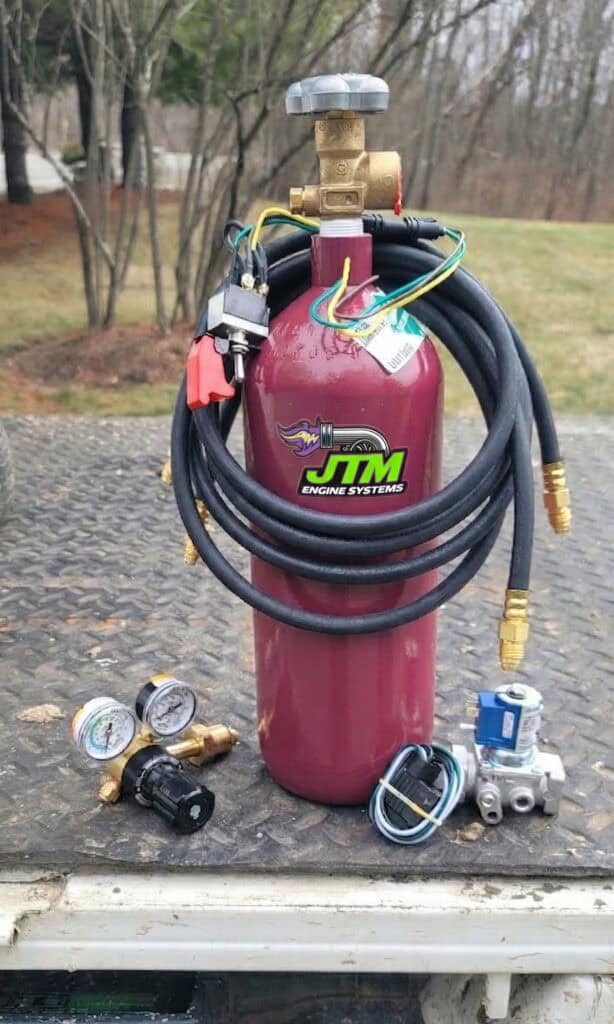
Everything You Need in One Kit
A complete, ready-to-install system that shuts down a runaway diesel engine in seconds. No modifications to your engine required.
- Argonite gas tank — a natural blend of argon and nitrogen (the same gases you breathe) that displaces intake air instantly. Zero residue. Zero engine damage.
- High-pressure braided lines — rated for engine bay heat and vibration
- Solenoid valve & regulator — precision-controlled gas release
- In-cab activation switch — one flip from inside the cab shuts it down instantly
- All mounting hardware — install in 2–3 hours, no mechanic needed
How It Works
When you flip the switch, argonite gas floods the intake, displacing the oxygen the runaway needs to sustain combustion. The engine shuts down in seconds.
Because argonite is literally atmospheric gas — 50% argon, 50% nitrogen — it leaves zero residue, causes zero corrosion, and does zero damage to your cylinders, pistons, turbo, sensors, or electronics. No cleanup. No gas-related servicing. Just refill the tank.

Industrial-Strength
Built for Reliability, Backed by Trust
JTM's Runaway Diesel Suppressor (RDS) is manufactured in the USA using only high-grade components, ensuring consistent performance under the toughest conditions. Every part (except the argonite tank) is covered by a five-year warranty, with free shipping to the continental United States. Whether you're hauling freight or operating industrial machinery, the RDS is engineered to safeguard your investment and deliver peace of mind for years to come. The system uses argonite — a natural blend of argon and nitrogen that makes up 99% of the air you breathe — so it shuts down your engine without causing any damage to internal components.

See the Danger
This Is What a Diesel Runaway Looks Like
A runaway diesel engine can destroy itself in seconds. Watch real incidents below — then ask yourself if your engine is protected.
A semi truck experiences a runaway diesel — thick smoke and flames erupt as the engine spirals out of control.
A Peterbilt’s runaway engine catches fire and burns the truck to the ground — total loss that could have been prevented.
The JTM Runaway Diesel Suppressor shuts it down instantly with a single switch.
Protect Your EngineInstalled on Any Diesel Application
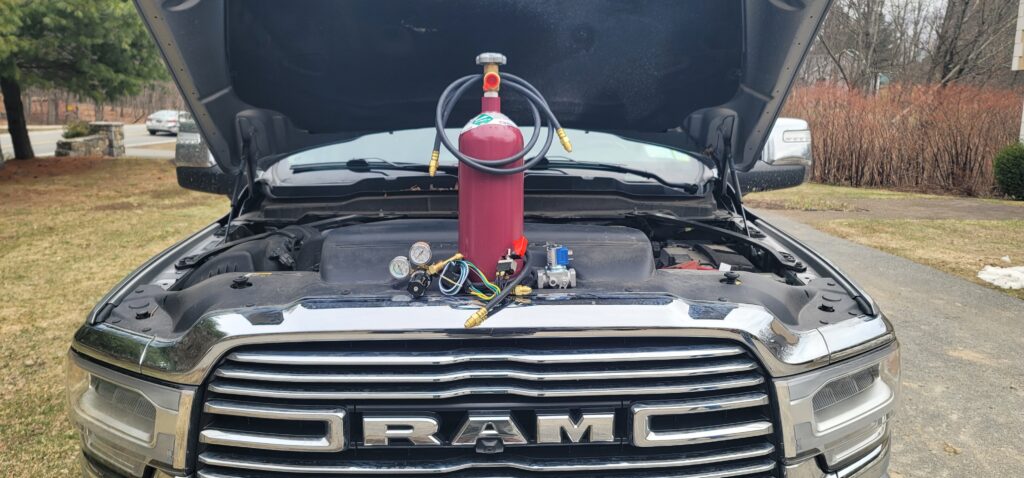
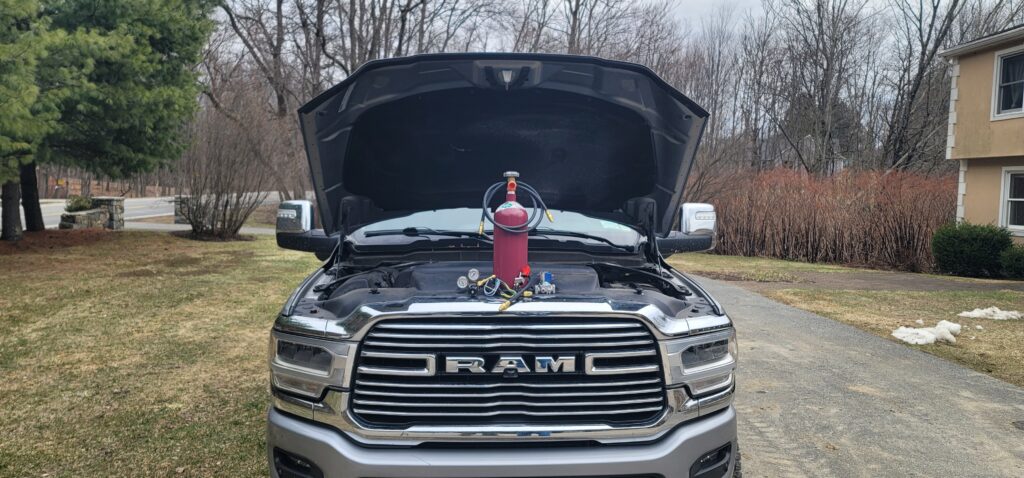
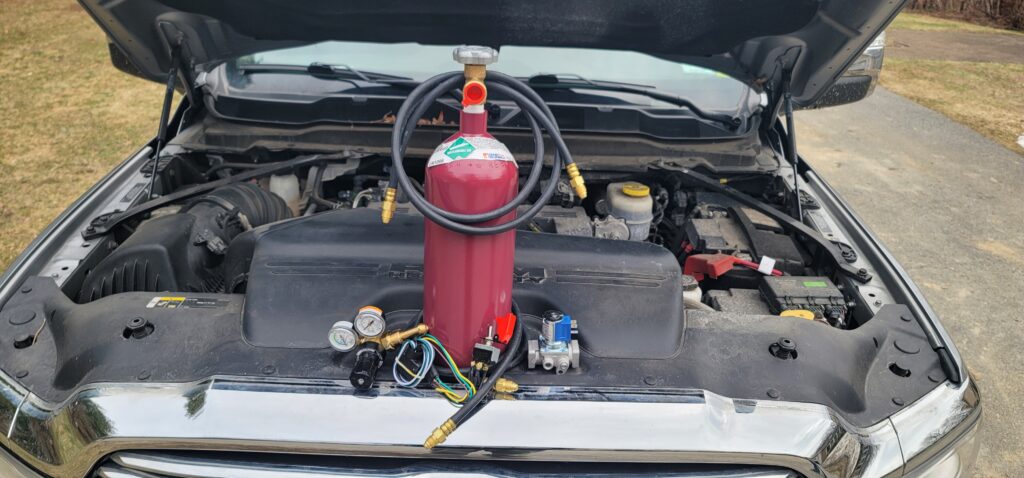
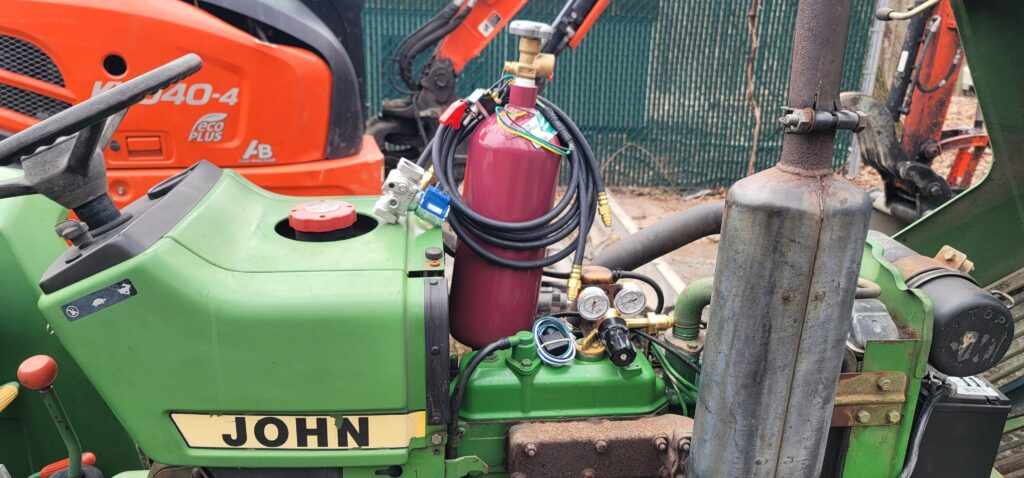
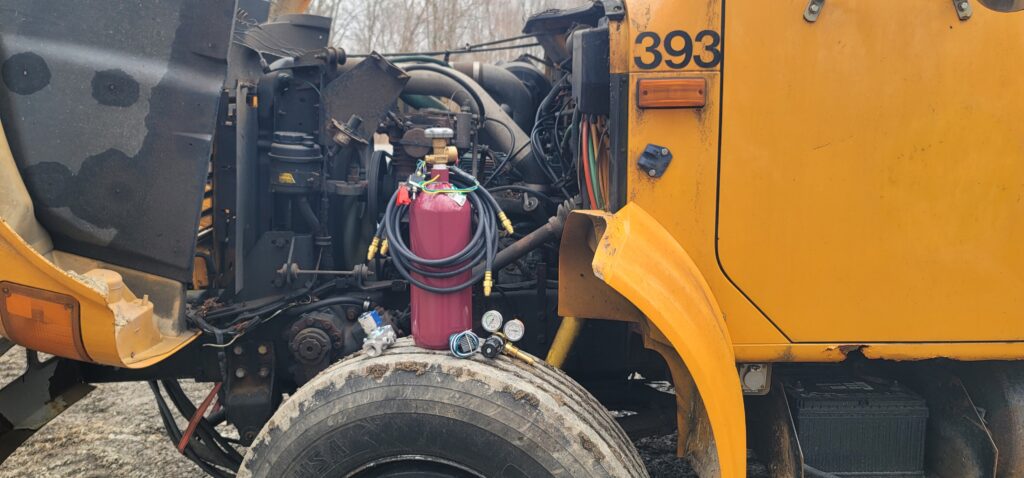
Trucks, tractors, generators, heavy equipment — the RDS fits them all.

The Math Is Simple
Protect a $40,000+ Engine for $2,000
Without the RDS
With the RDS
The RDS pays for itself the moment you need it. One runaway event without protection can cost you your engine, your rig, and your livelihood.
How It Stacks Up
RDS vs. the Alternatives
The only system that stops a runaway instantly without risking your safety.
| Recommended JTM RDS | Air Shutoff Valves | Do Nothing | |
|---|---|---|---|
| Stops runaway instantly | ✓ | ✕ Slow — starves air over time | ✕ |
| Stops oil-mist runaways | ✓ Engine burning its own oil | ✕ Only blocks external air | ✕ |
| Safe from operator cab | ✓ Flip a switch | ~ Some require manual valve | ✕ Block intake by hand |
| Preserves engine | ✓ Argonite causes zero damage | ~ Partial — delayed shutdown | ✕ Engine seized or blown |
| No chemical residue | ✓ Argonite = atmospheric gas | ✓ No chemicals, but slower | — |
| Universal fit | ✓ Any diesel application | ✕ Engine-specific sizing | — |
| Install time | 2–3 hours | 4–8 hours | — |
| Maintenance | Zero until activated | Annual inspection | — |
| Reusable after activation | ✓ Refill tank | ✓ | — |
| Cost | $2,000 | $1,500–$10,000+ | $0 until runaway |
| Warranty | 5 years | 1–2 years typical | — |
Already Have an Air Shutoff? Add the RDS.
Air shutoff valves starve airflow gradually — but they can’t stop an engine running on its own oil from a blown turbo seal. The RDS displaces oxygen instantly with argonite gas, regardless of fuel source. Fleet operators are installing both systems for redundant protection — because when a $40,000+ engine is on the line, one layer isn’t enough. And because argonite is just atmospheric gas — 50% argon, 50% nitrogen — it causes zero damage to your engine. No corrosion, no residue, no thermal shock.
Frequently Asked Questions
A runaway is a condition that can occur (most frequently in diesel engines) when the engine starts to use something other than the fuel it is designed to run on, like engine oil through a blown turbo seal. When this happens, the engine will run away past the redline it was designed to top out at, and will only stop if the intake is manually plugged (which is very dangerous), or the engine blows or seizes (the most common way when the engine has ran away on its own lubricating oil).
Because the engine is running at a faster RPM than it was designed to, attempting to plug the intake is obviously very dangerous, as the engine could potentially blow a hole in the block, and become sort of a frag grenade.
Completely. Argonite (IG-55) is a 50/50 blend of argon and nitrogen — the same gases that make up 99% of Earth’s atmosphere. It is 100% inert, non-corrosive, and leaves absolutely zero residue. It will not damage your cylinders, pistons, valves, turbocharger, sensors, catalytic converter, or any electronic components.
After discharge, the argonite simply dissipates back into the atmosphere — because it is atmospheric gas. There is no cleanup, no gas-related servicing, and no special post-discharge procedure. Just refill the tank and the system is ready to protect you again. NFPA 2001 classifies argonite as a “clean agent” — the same standard used to protect sensitive electronics and data centers.
Important note: While the argonite gas itself causes zero damage, the runaway event that preceded activation may have caused internal engine stress from overspeeding. After any runaway event — regardless of shutdown method — it is recommended to have the engine inspected before returning to service.
The Runaway Diesel Suppressor system (RDS), is a patent pending design that can universally be installed on almost any diesel application whether it be a truck, or equipment, or generator. Once a runaway condition is detected to have begun by the operator, they flip a switch mounted in the cab that will let out argonite gas into the engines intake system, thus shutting down the engine almost immediately.
The patent pending design can be installed in a matter of 2 to 3 hours by someone with just moderate mechanical experience. Just choose a mounting space for the tank (can be inside the cab, or along a frame rail, for instance), set up power directly from the battery, or from a key on/off source, and mount the switch, and run/secure the braided lines to the intake. The nozzles are to be installed through the intake pipe and thread/secure directly to the feed lines. Once installed, if it if ever used, all you would have to do is refill the tank.
A runaway condition can happen at any time, anywhere, even to newer well maintained rigs. A seized or blown engine can cost over 40 grand to replace and could also prevent you from completing a job, or delivering a load. With the RDS, you may be able to save your engine, and any fines related to fluid spills in the case of a blown block. Its easy to install and will last the life of the engine. The real question is, why NOT install one.
The RDS is designed to be universally compatible with virtually any diesel engine application. It has been installed on pickup trucks (RAM, Ford, Chevy), heavy-duty commercial trucks, John Deere and Kubota tractors, excavators, generators, and other industrial equipment. If it has a diesel engine with an air intake, the RDS can be installed on it.
The argonite tank holds its charge indefinitely and requires zero maintenance until the system is activated. It only needs to be refilled after use — meaning you’ll only need a refill if the system has actually saved your engine from a runaway event. Think of it like a fire extinguisher: install it once, and it’s ready when you need it.
The 5-year warranty covers all components of the RDS system except the argonite tank itself. This includes the switch, braided lines, nozzles, mounting hardware, and all fittings. Every part is manufactured in the USA using high-grade materials built for harsh engine bay conditions.
Most owner-operators and fleet mechanics can handle the installation themselves in 2–3 hours. No specialized tools or certifications are required — just moderate mechanical experience. You’ll mount the tank, wire the switch, and run the braided lines to the intake. Detailed instructions are included with every unit.
Yes — and here’s why. Air shutoff valves work by slowly starving the engine of air, but they have a critical blind spot: they cannot stop an engine that’s running on its own oil from a blown turbo seal or crankcase breach. In those situations the engine is fueling itself internally, so blocking the air intake alone isn’t enough to shut it down fast.
The RDS uses a completely different mechanism — it floods the intake with argonite gas, displacing the oxygen almost instantly regardless of what’s fueling the runaway. Think of it as a complementary safety layer: the air shutoff handles external-air runaways, while the RDS covers oil-mist runaways and provides a faster shutdown across the board. Fleet operators running both systems get redundant protection for their most critical assets.